It’s everyone’s favorite topic: infrastructure!
As part of the jam, three 3D mesh providers are giving us credits to work with, which I’m super thankful for.
Rodin
Right now I’m working with Rodin. The Claude instances connect to it through an MCP server on the dev machine, and they’ve been working with it really well. We’ve gotten quite a few models out of the tokens we were provided.
I will say that the skeletons and skinning weights I’ve gotten with those meshes haven’t felt super production-ready. We’ve been generating those locally afterward with SkinTokens, from VAST-AI-Research, then having Claude clean things up.
Overall, I’m pretty happy with Rodin because my Claudes are happily using it.
Tripo and Meshy
Tripo, I haven’t really figured out how to use yet. It seems like the API is locked behind a business account, so I’ll come back to that a bit later when I need more detailed work.
Meshy is pretty cool. I added an endpoint on my inference server that takes images and text, then generates models through the existing 3D pipeline. We can load-balance it by sending some of the requests to Meshy, and that’s been pretty cool.
The other two games
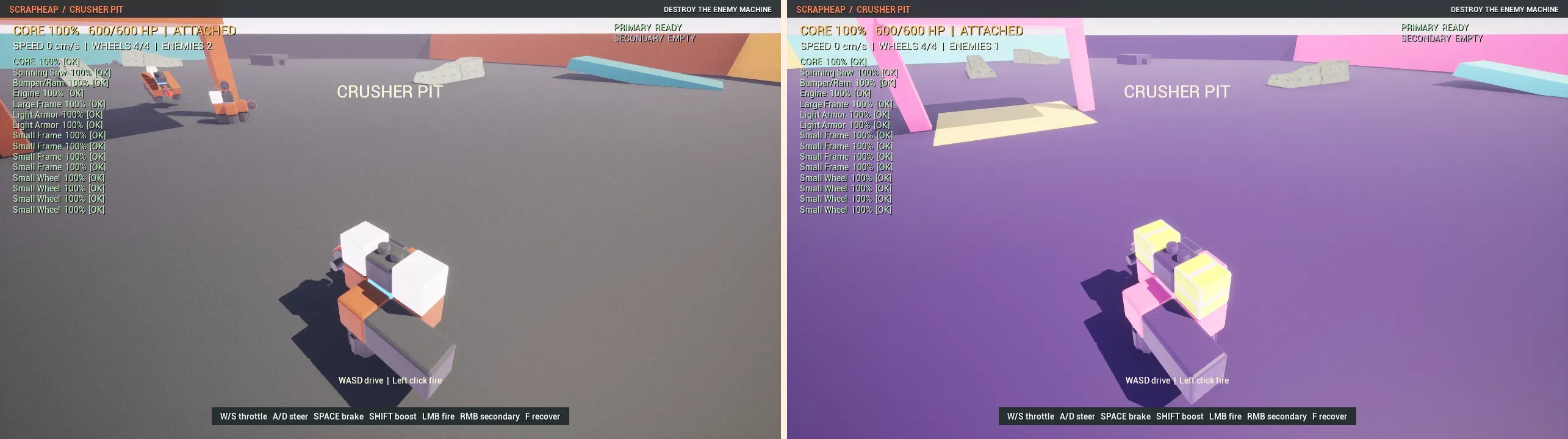
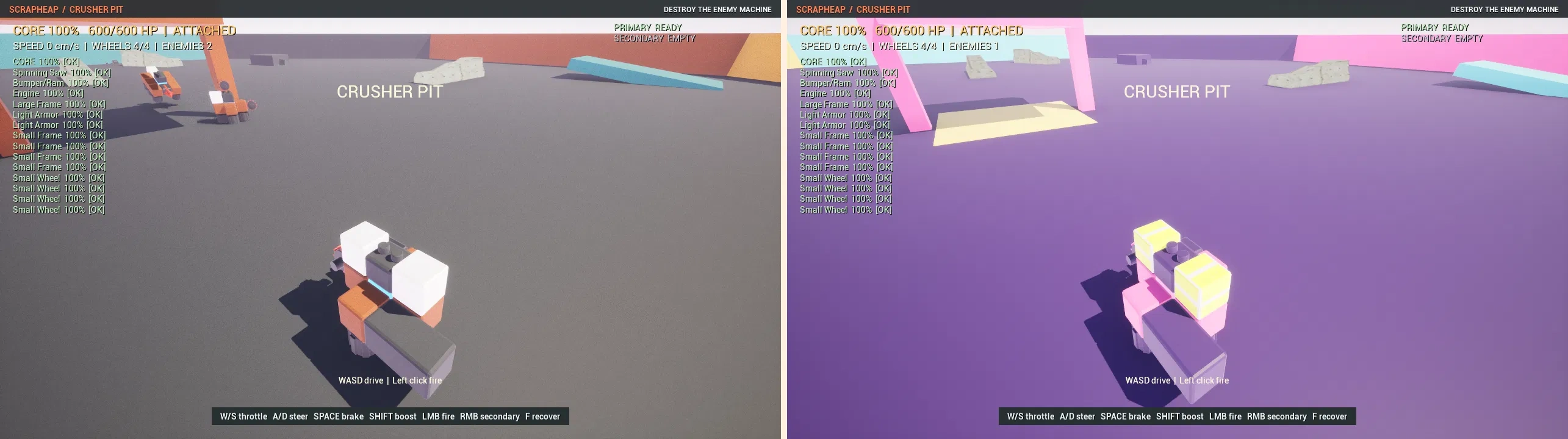
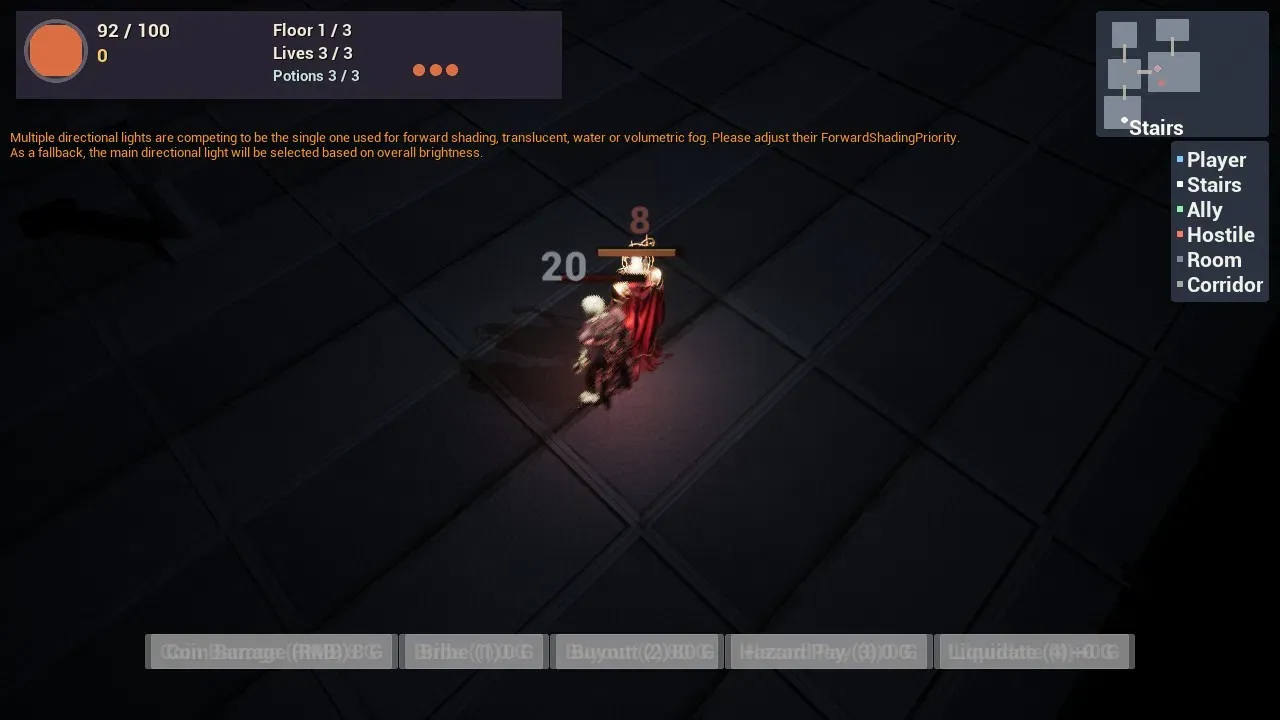
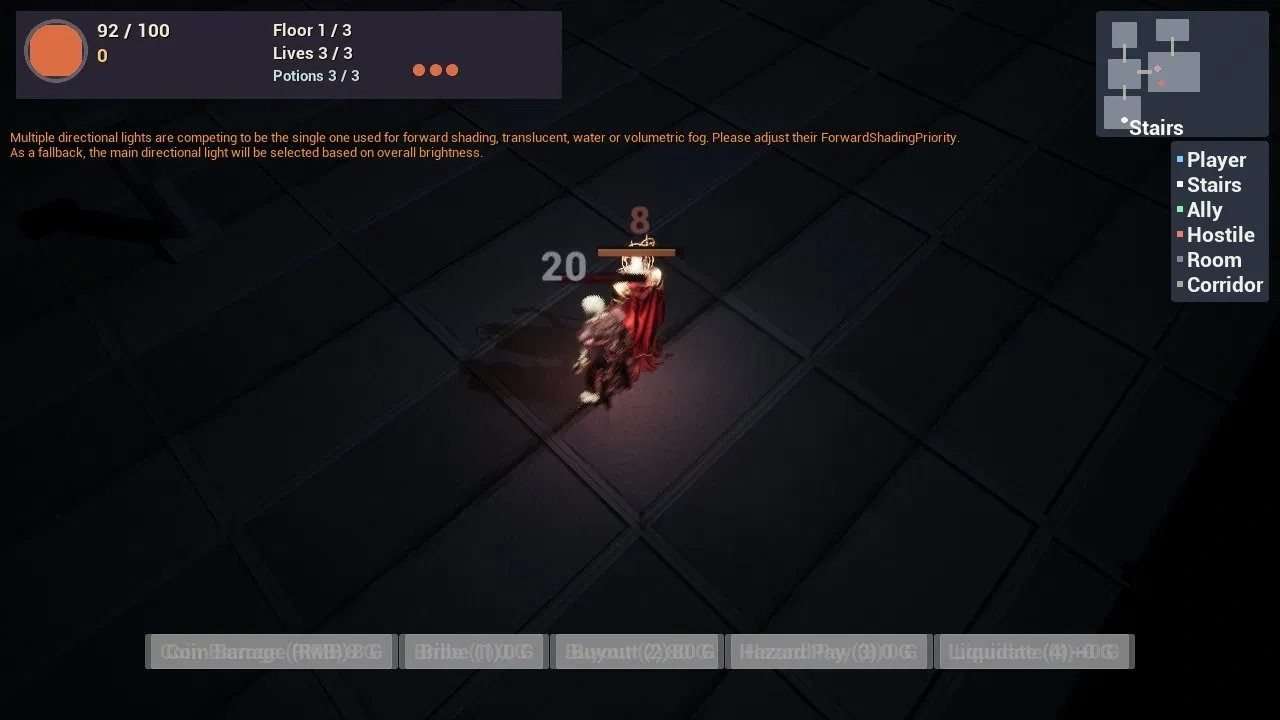
While this was being built, I was also pulling The Price of Power and SCRAPHEAP off the swarm.
That was pretty seamless after yesterday’s lessons about running in remote mode. I can keep working on stuff while the AIs are smashing my computer apart.
The biggest thing we had to do was create a handoff document and provide the original design documents. Apparently, when Claude was putting the games into the swarm, it had done some cutting of its own. So we didn’t have the complete MVP I wanted for the jam.
But that’s okay. We now have a path forward on each of them.
Connecting the systems
Another thing I need to work on with the swarm’s autonomous game development is that it creates the systems we tell it to, but doesn’t necessarily connect them.
Basically, we have to do a pass with Claude through the codebase and make sure the features we want are actually wired together. That takes about fifteen minutes.
We also got Beads installed to help keep Claude on track and moving at a happy clip more autonomously.
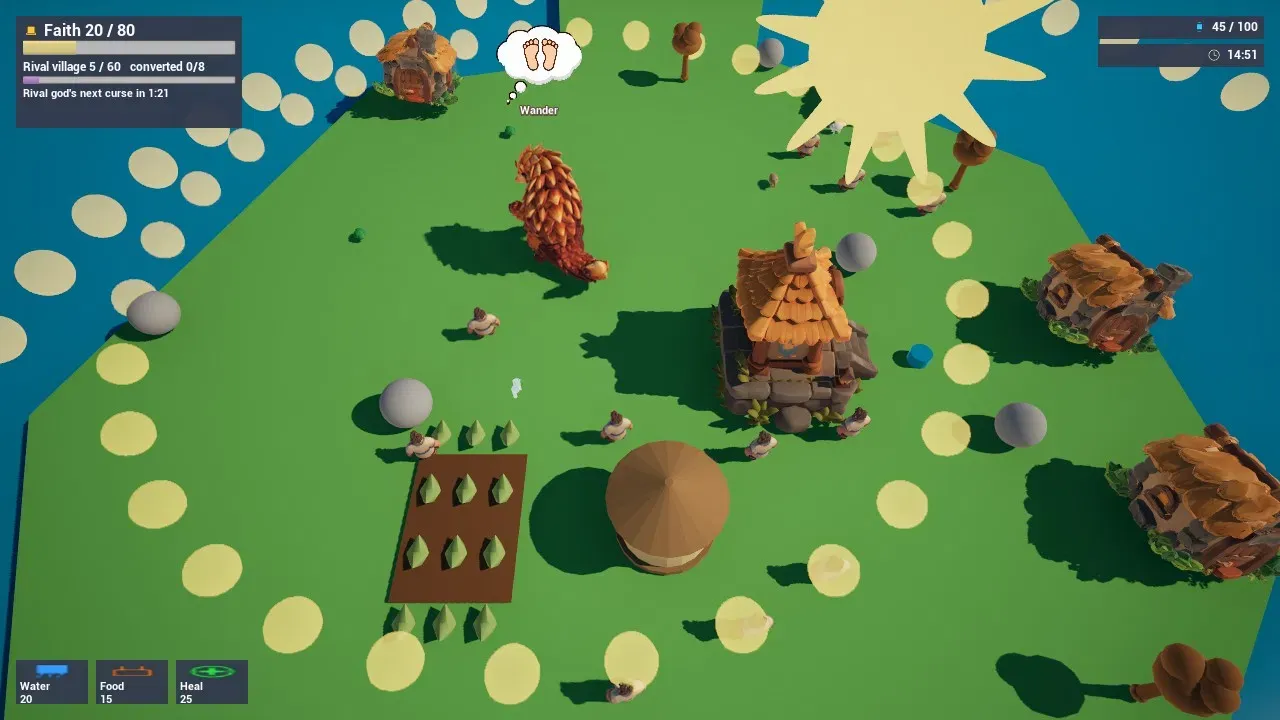
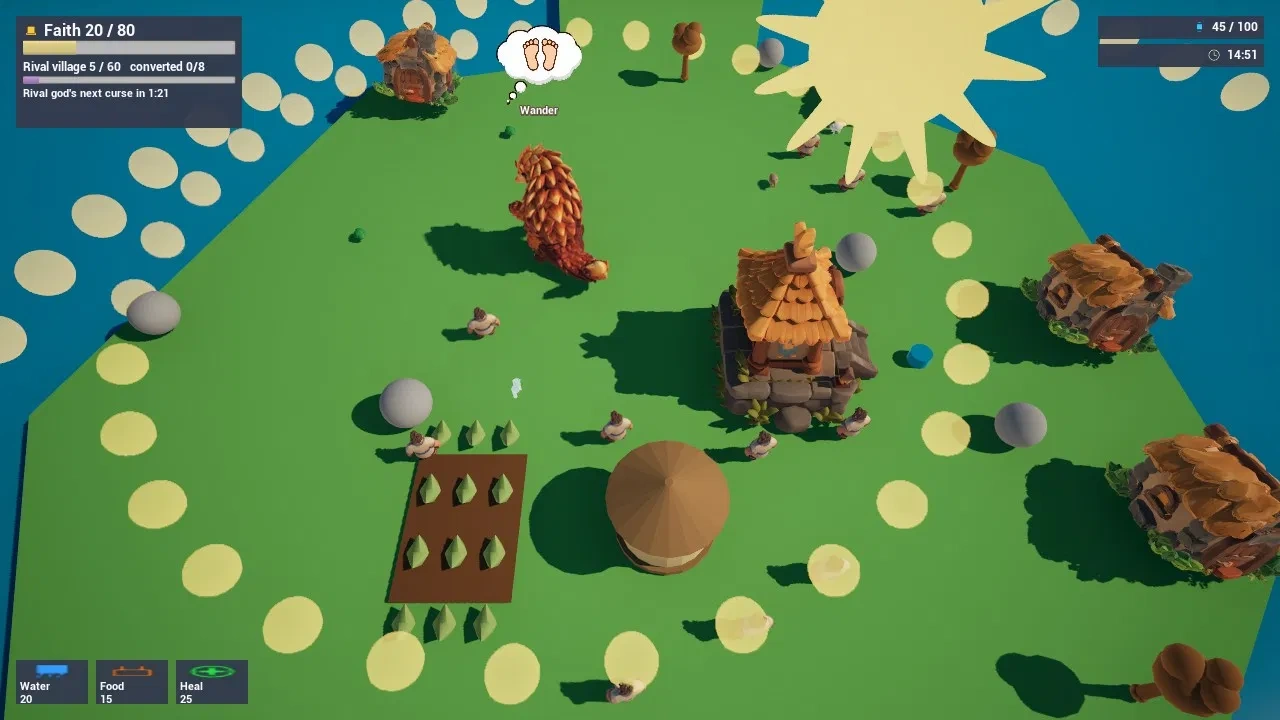
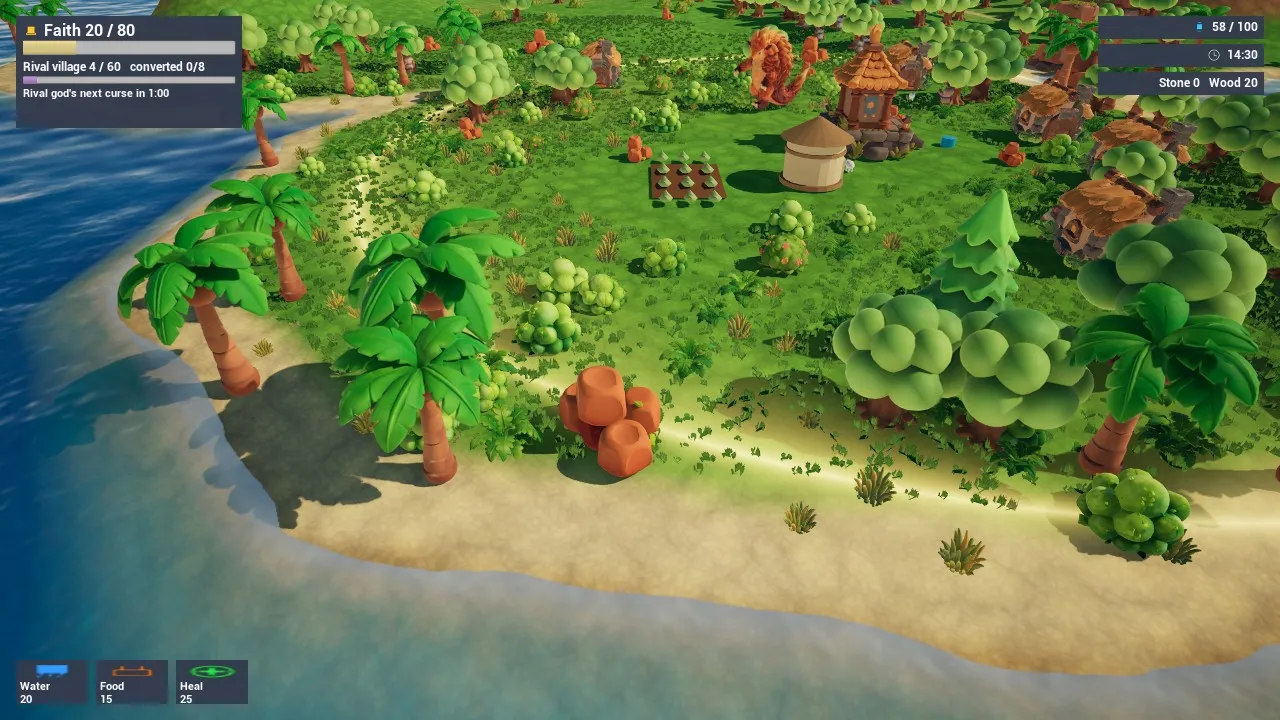
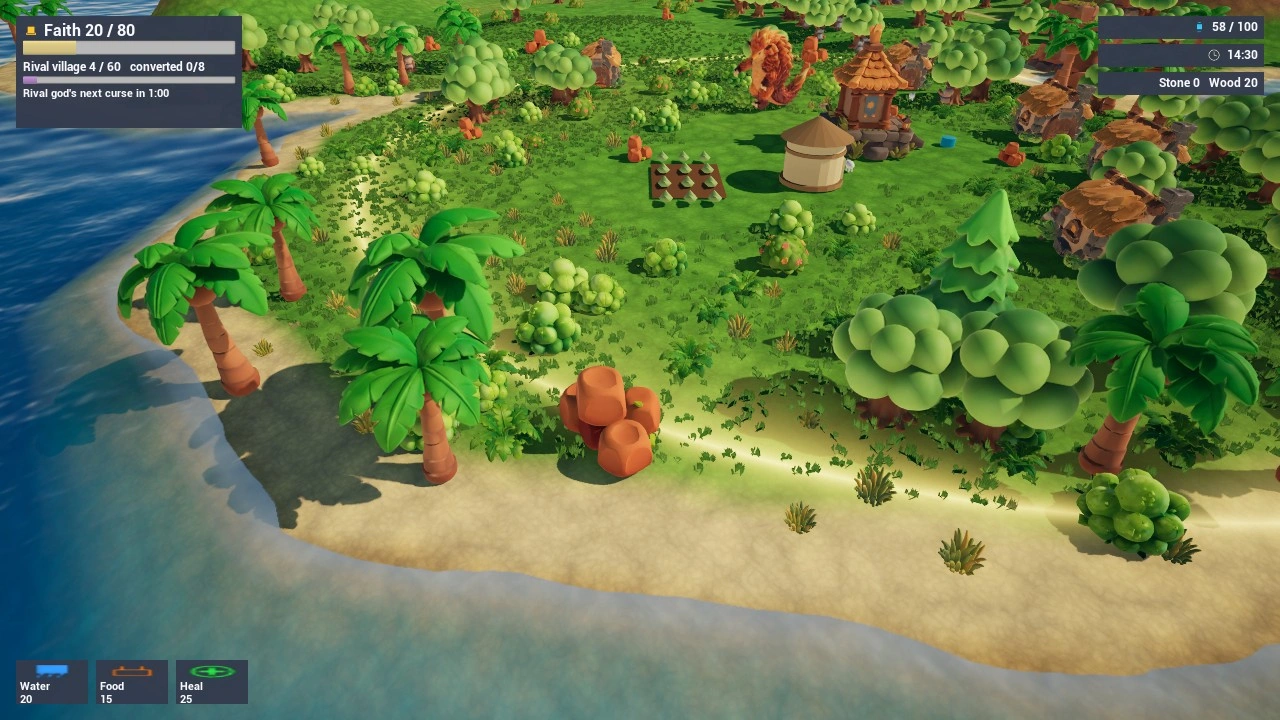
So far, before noon, we’re getting decent art treatment and filling out the rest of the game systems as we go.
Later on Day 3
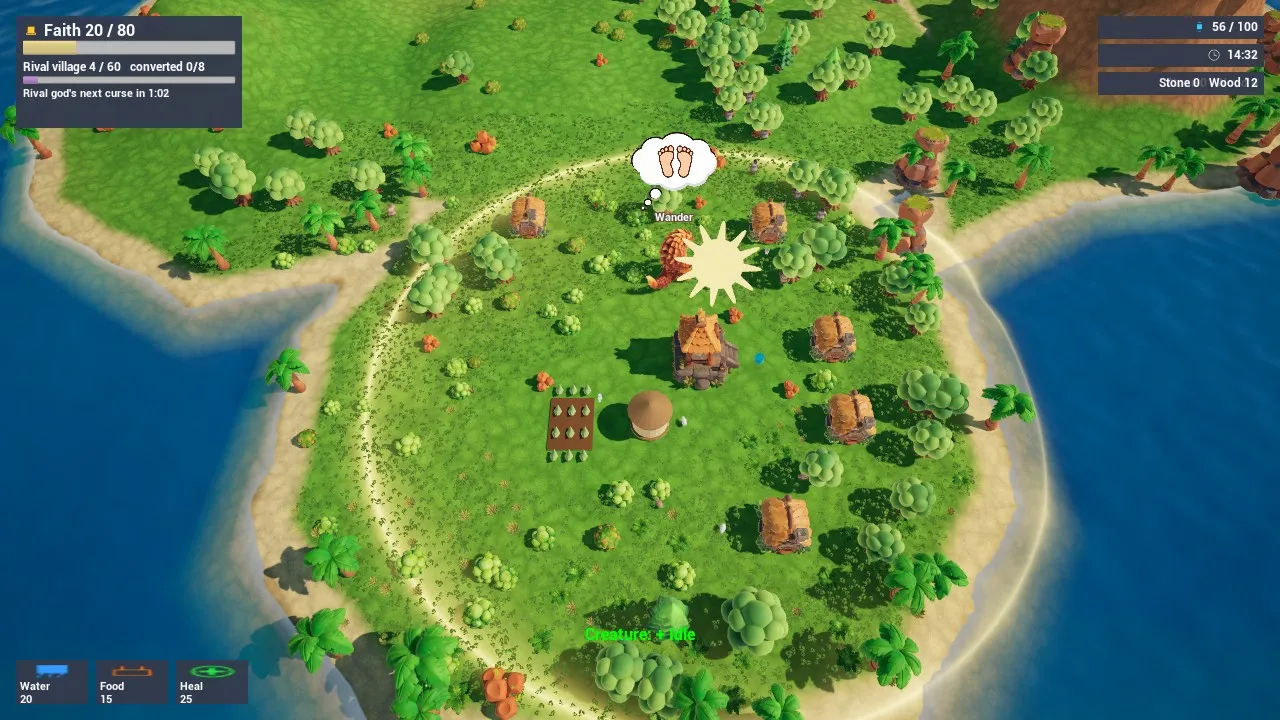
This would not have been possible at this pace without the latest generation of frontier models.
The progress in one day is bonkers.