I still haven’t opened the Unreal Editor once during this entire jam.
And we submitted. SCRAPHEAP is up on itch.io for Windows, Mac and Linux.
If you’ve just landed here and don’t want to read through several days of me talking about infrastructure, this is the short version.
Play SCRAPHEAP or see the jam entry.
Three games at once
The Epic AI MegaJam gave us four days and the theme Director’s Cut. I wanted to try something I wouldn’t have attempted without the latest generation of frontier models.
I have a tool I built called the ShrimpHub swarm controller. So the idea was to use it to build three game prototypes in parallel, play them, and decide which one deserved the rest of the jam.
That decision would be my director’s cut.
Feral Divinity
A god game inspired by Black & White, with a village and a creature to teach. It came a long way, but was still too abstract for me to have fun with.
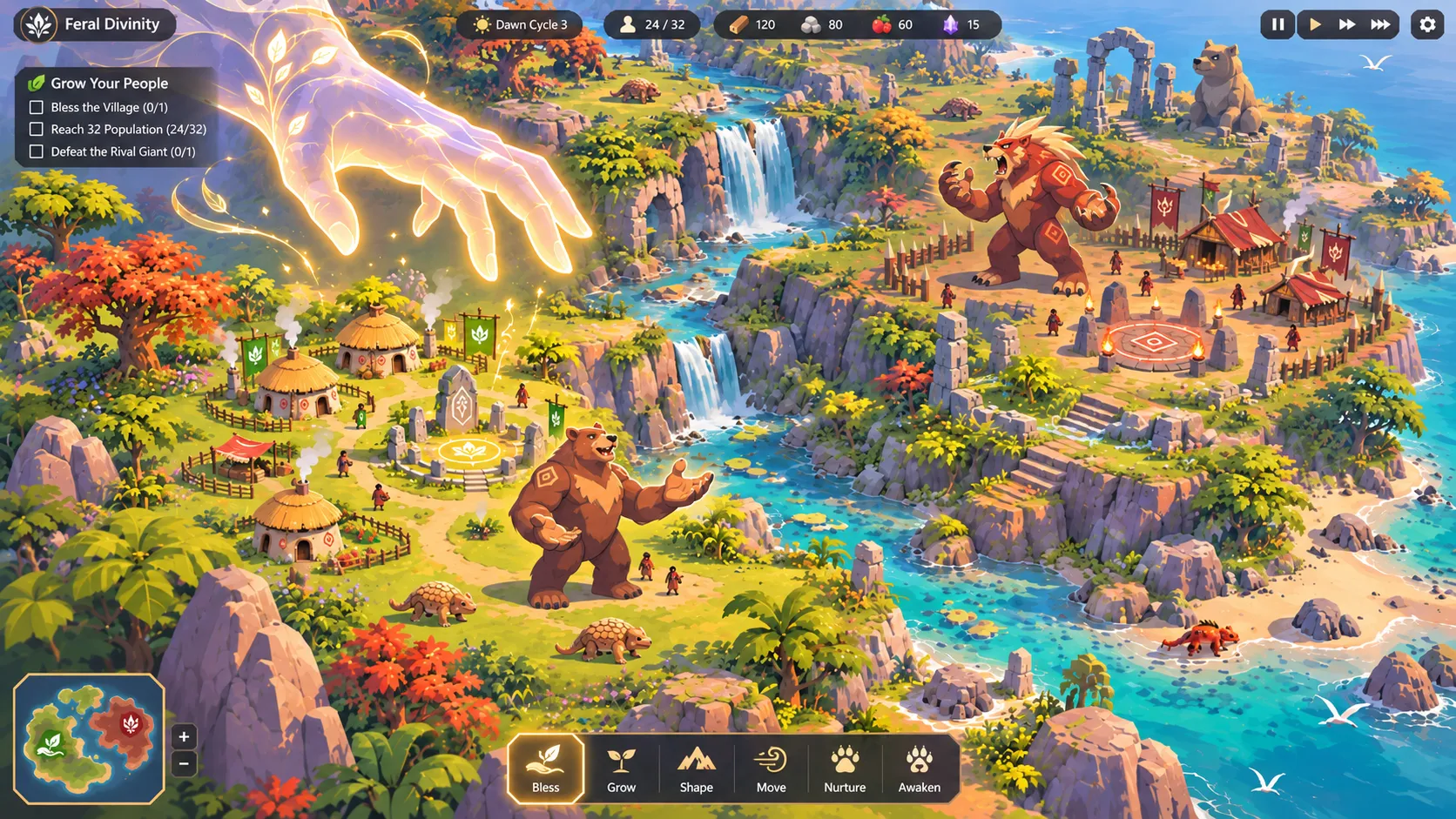
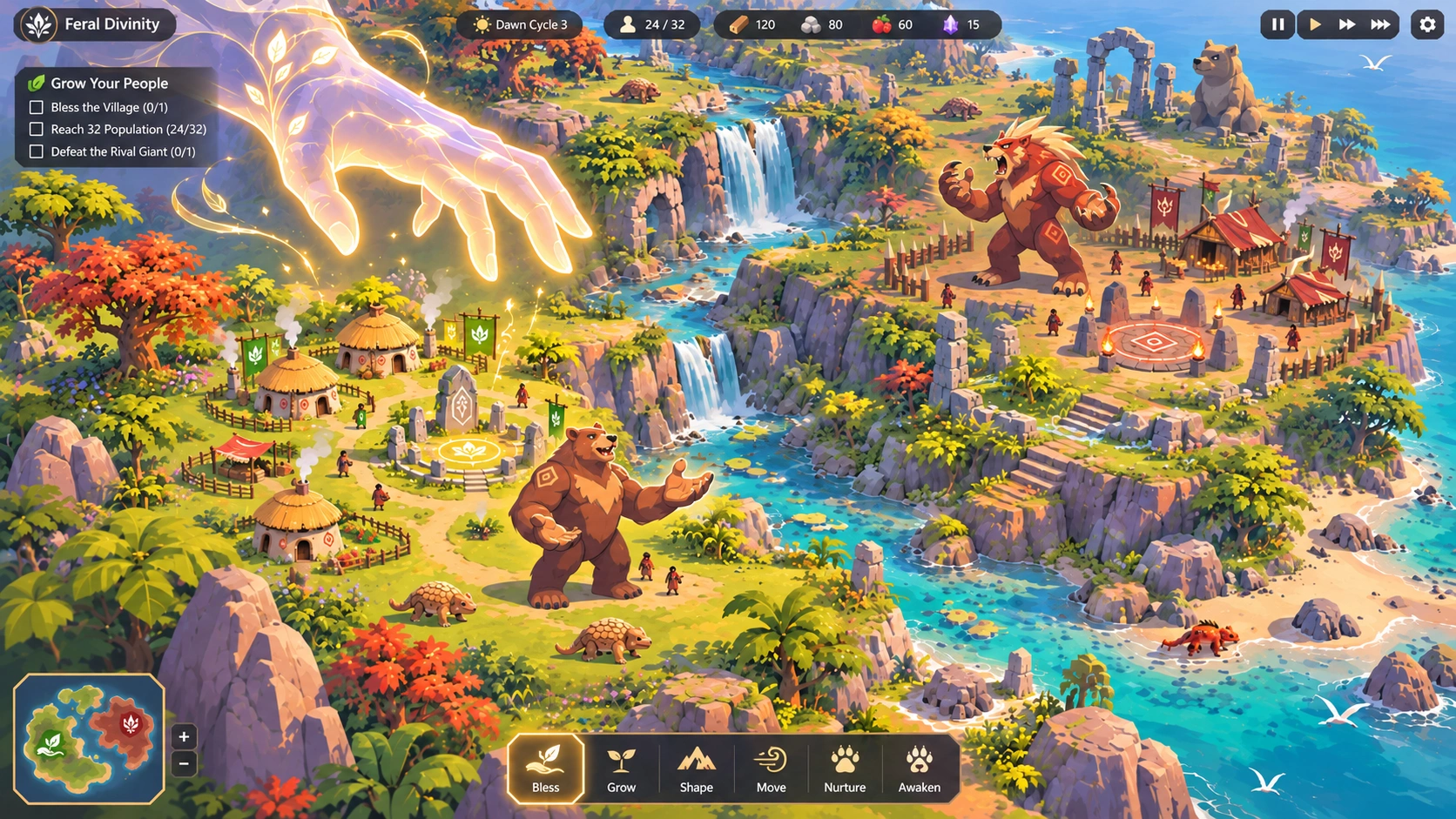
Watch the Feral Divinity trailer.
The Price of Power
An action RPG where money pays for equipment, spells and bribing enemies. I have a Diablo problem. But playing this one, it felt like yet another Diablo clone.
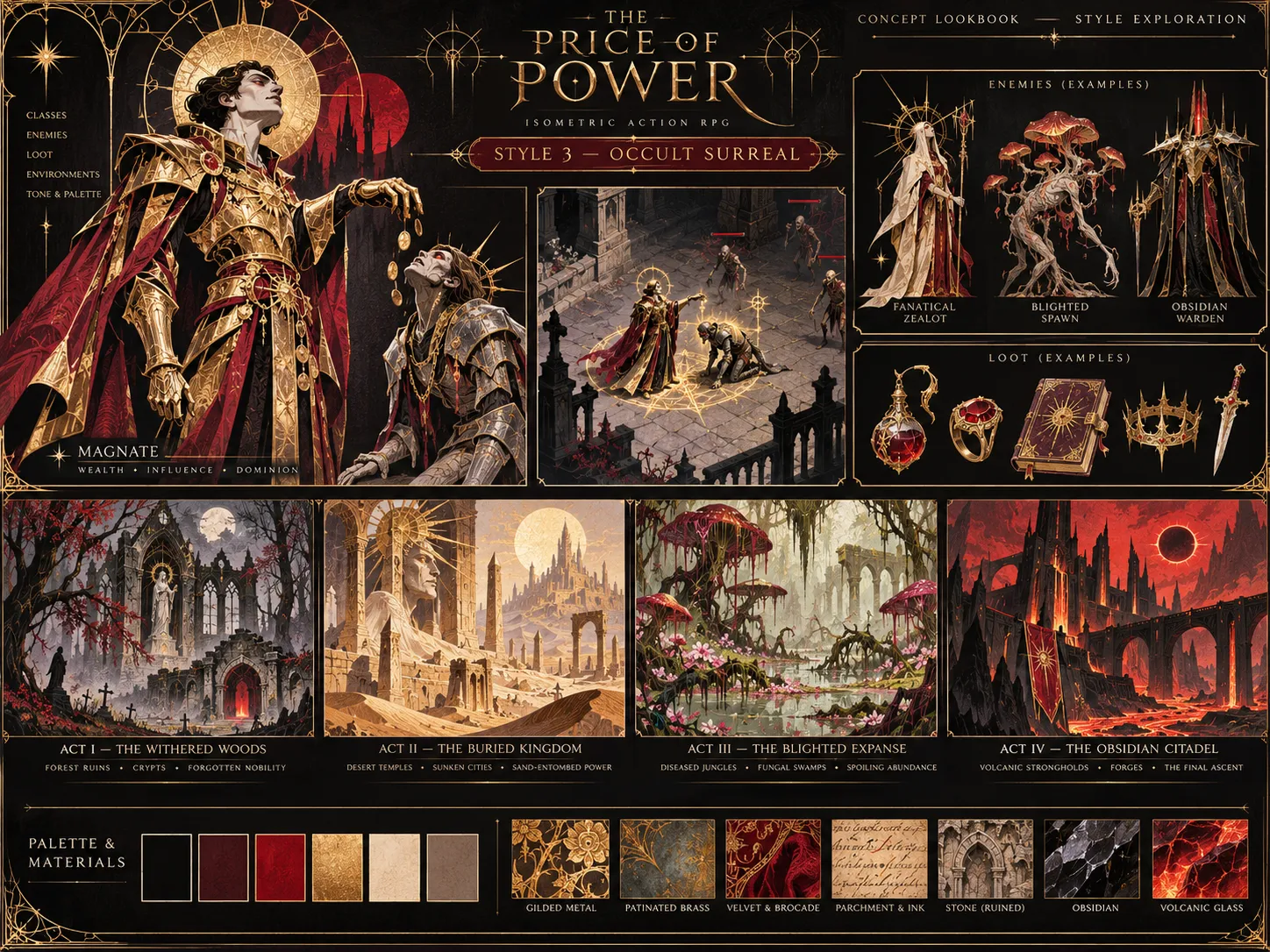
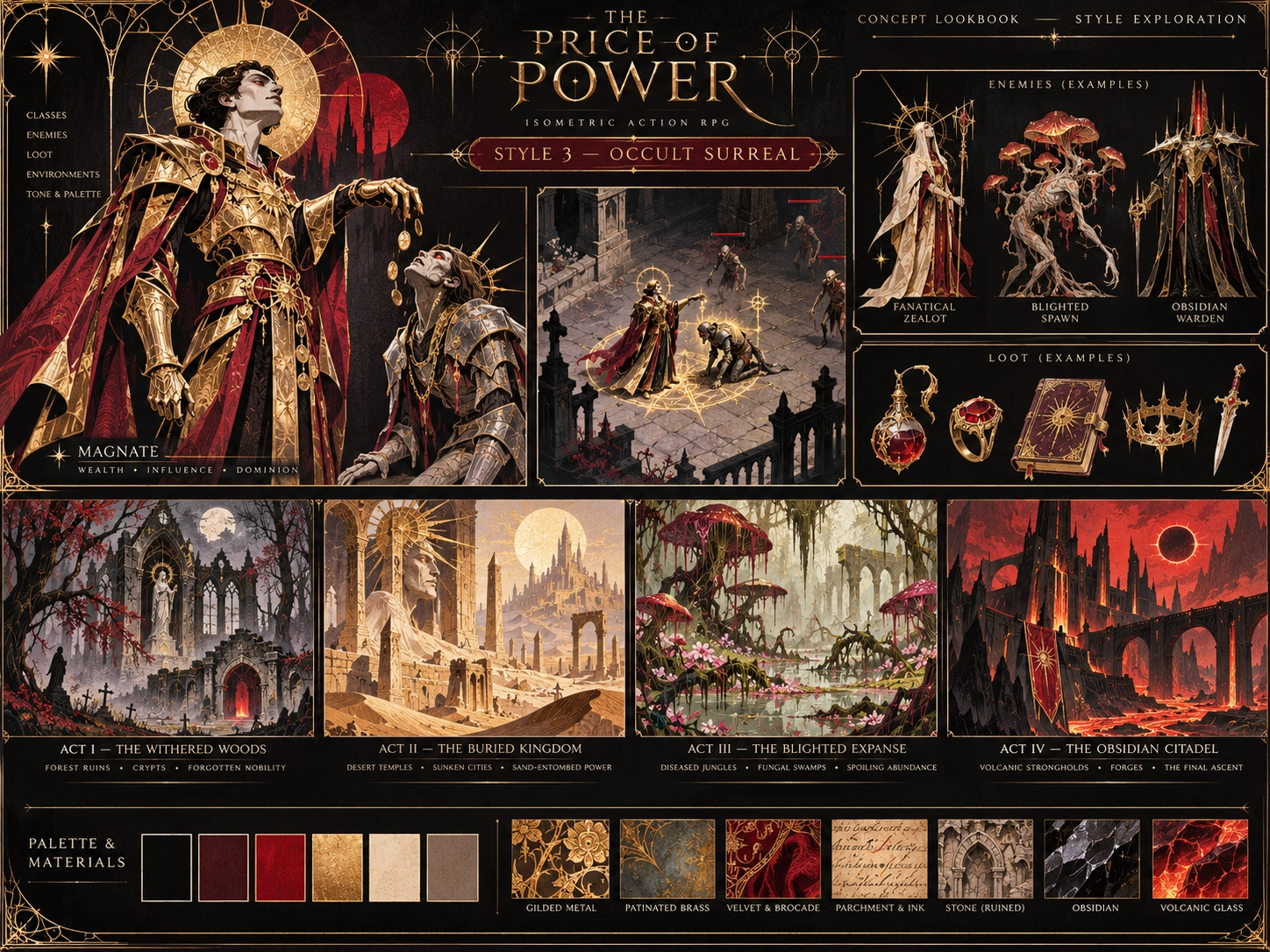
Watch The Price of Power trailer.
SCRAPHEAP
Build ridiculous cars out of salvaged parts and smash them into each other. With cats. I cackled with glee as I shredded another car.
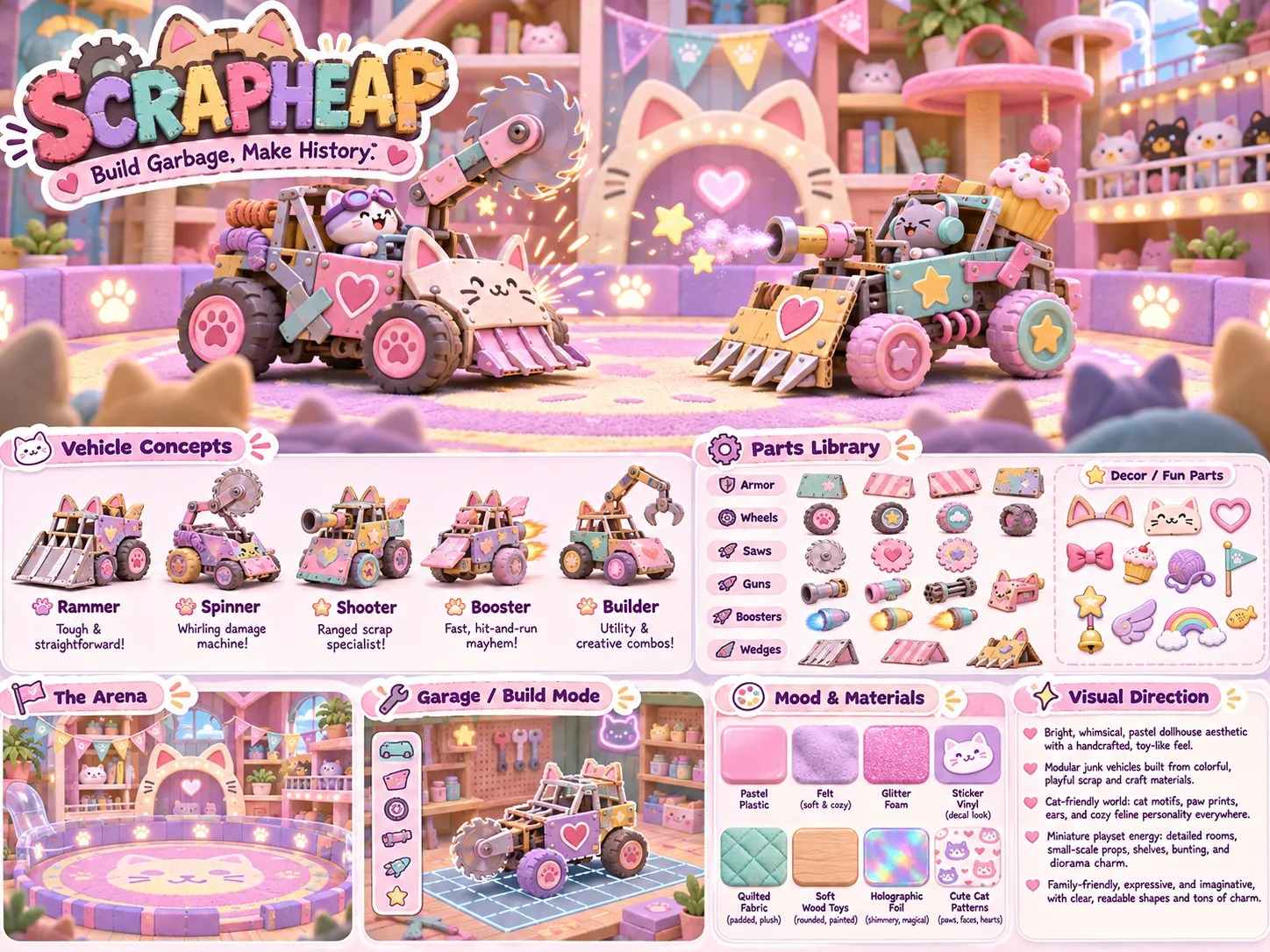
So we went with SCRAPHEAP.
First, build the things that build the things
The three plans started at about 210 tasks. We started with eight agents and eventually raised the maximum to twenty across the swarm.
That meant hitting provider limits, adding fallbacks, sharing Unreal editor instances and routing builds to a Linux worker. Local inference and asset generation helped, but there was a lot of figuring out why an agent was waiting when a machine had capacity sitting unused.
I was directing all this from a five-year-old ThinkPad while the other machines did the heavy lifting. We also built shrimp-pi, so a frontier agent could hand work to sub-agents using other model providers.
And somewhere in there, Codex overhauled my company website because the devlog needed somewhere to live. So that happened too.
Getting the games to actually work
Finishing a task graph didn’t mean finishing a game. The swarm could build systems without connecting them, and the handoffs needed the original design documents so the next agents knew what I’d actually asked for.
Then came art passes, rig cleanup and playtesting. Claude Code handled implementation and QA, with art reviews from another Claude. Codex and ChatGPT helped with code, imagery and infrastructure. Rodin and local models supplied assets.
There was still plenty to fix. Secondary weapons that existed but didn’t fire. Cars getting stuck. A hammer that swung at the sky and hit nothing. More agents didn’t make those decisions go away.
Actually playing the games was what settled the choice.
The cats got a stadium
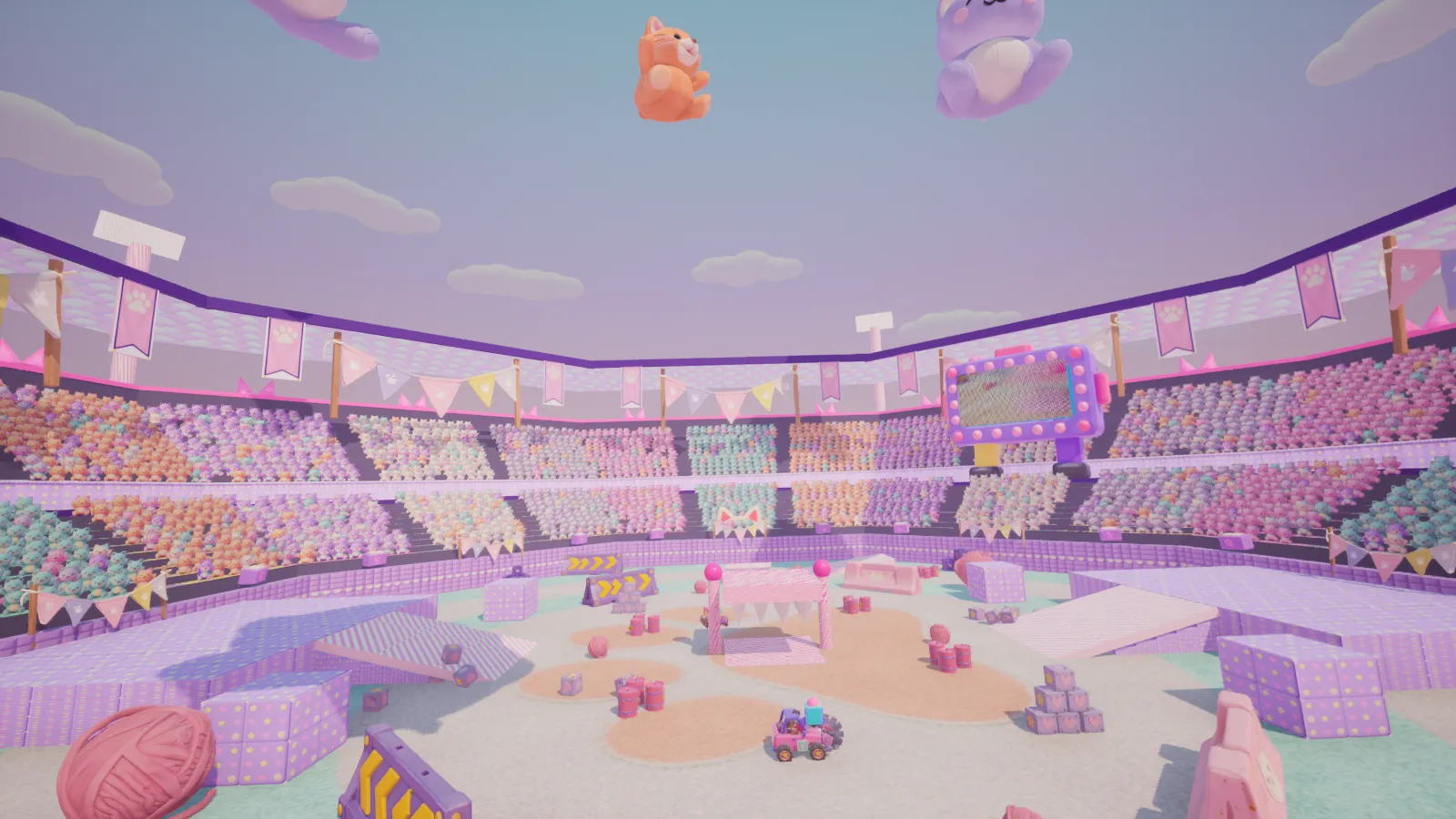
Once we picked SCRAPHEAP, the arena became a stadium full of plush cats, with live jumbotrons and giant cat blimps. We ended up with four-match runs, a scrap shop, different hazards, a boss called the Compactor and endless Overtime.
Also glitter, confetti and pastel fire. Obviously.
Submitted
We got the Windows, Mac and Linux builds uploaded and submitted four hours and forty minutes before the deadline. The jam page showed 791 entries at the time. Naturally, I immediately joked that I had a one-in-791 chance.
The whole point was to see what I could pull off at this pace with these tools. We got three prototypes far enough to make a choice, then put the time into the one that kept making me laugh.
This would not have been possible at this pace without the latest generation of frontier models. I’m still kind of shocked at how much happened.
If you want the longer version, start with Day 0 and follow the next-post links. The journal has the infrastructure, the other games, the screenshots and the bits that didn’t go smoothly.
For now, go smash some cars.
Build Garbage, Make History.